The Daily Bread Project · Field note · 3 min read
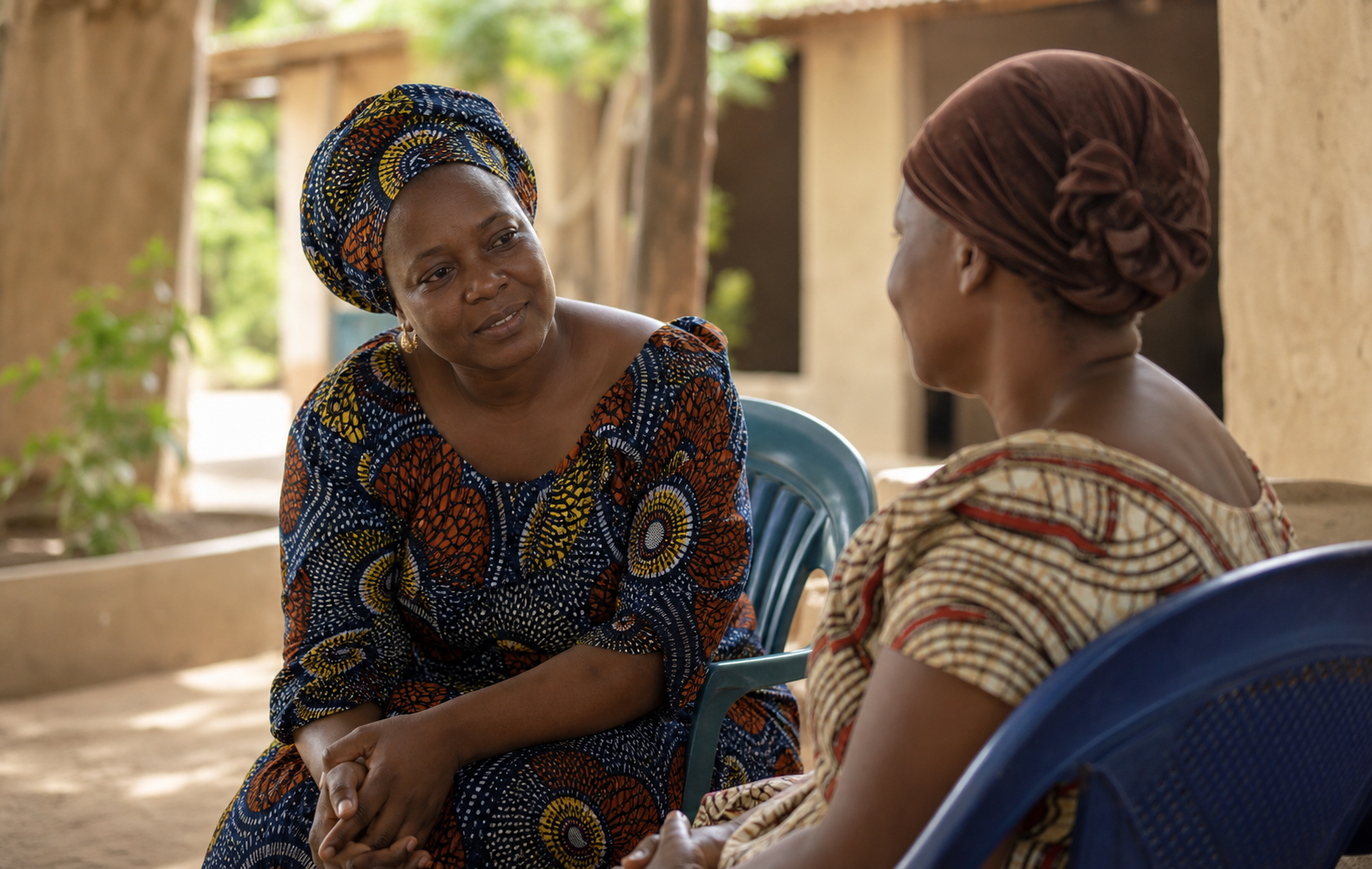
Supporting a widow should never feel like putting her pain on display.
It should not require her to repeatedly explain her hardest moments, prove that she is suffering enough, or stand in front of a camera just to receive help.
Real support begins with dignity.
At The Daily Bread Project, we believe widows deserve to be treated as whole people, not as sad stories, charity cases, or fundraising images.
They are mothers, leaders, caregivers, workers, business owners, aunties, neighbors, mentors, and women with dreams, wisdom, and strength.
They may be walking through a difficult season, but that season does not define their entire identity.
Help should feel respectful
Asking for help can be uncomfortable.
Many women are used to holding everything together for their families. They may already feel pressure to stay strong, hide their needs, and avoid becoming a burden to others.
When support is offered carelessly, it can add embarrassment to an already painful situation.
That is why the way help is given matters.
Respectful support means:
- Speaking with kindness
- Protecting personal information
- Avoiding unnecessary questions
- Not sharing photos without permission
- Allowing women to receive help privately
- Listening before making assumptions
- Offering practical choices whenever possible
Dignity-centered support asks, "How can we help in a way that honors you?"
Practical support matters
Prayer, encouragement, and emotional support are meaningful, but practical needs still have to be met.
A widow may need help with:
- Food
- Household supplies
- School expenses
- Transportation
- Hygiene products
- Temporary emergency assistance
- Budgeting guidance
- Referrals to local resources
- Skills or income opportunities
The need may look different from one household to another.
One woman may need immediate groceries. Another may need help organizing household expenses after losing her spouse's income. Someone else may need a connection to training, work, or a trusted community resource.
There is no one-size-fits-all response. That is why listening is essential.
Privacy is part of compassion
A person should not have to give up her privacy to receive help.
Stories can inspire people to give, but the person behind the story must always come first.
Before sharing a widow's name, photo, location, or personal experience, organizations should receive clear permission and explain how the information will be used.
When consent is not appropriate or available, details should remain private.
Compassion does not expose people. Compassion protects them.
Support should not create dependency
Emergency help is important, but long-term support should also create pathways toward stability.
That may include:
- Financial education
- Budgeting support
- Skills development
- Business guidance
- Employment referrals
- Community partnerships
- Mentorship
- Access to practical resources
The goal is not to make someone feel permanently dependent on an organization. The goal is to help her regain stability, confidence, and options.
Seeing the woman, not just the need
It is easy to focus on what a person lacks.
Dignity-centered support also recognizes what she carries.
She may have experience, knowledge, faith, talents, relationships, and ideas that can help rebuild her future.
Supporting widows should include room for their voices.
Ask what they need. Ask what they want to work toward. Ask what would make the greatest difference in their household.
Sometimes the most respectful thing we can do is stop assuming and start listening.
Our commitment
The Daily Bread Project is committed to helping widows in a way that protects privacy, preserves dignity, and provides practical support.
We will not use pain as entertainment. We will not turn someone's hardship into a marketing tool. We will not make promises we cannot keep.
We want every woman we serve to feel respected, heard, and valued.
Because the goal is not simply to help someone get through today. The goal is to remind her that her life still carries purpose, her voice still matters, and her future is still worth building.